
‘Fertility Equality’ In the Air for Pride 2021
France, Switzerland vote for LGBTQ reproductive rights in win for fertility equality movement during Pride Month 2021
Colorado is poised to sign into law the state’s first comprehensive surrogacy statute, establishing requirements for legally enforceable surrogacy. Surrogacy law in the United States varies widely from state-to-state, from…
I was honored to join Rebecca Hochreiter of GoStork.com, an online resource for intended parents, for an Instagram Live discussion on “How Surrogacy Law Impacts Your Journey.” Rebecca is a…
The new Child Parent Security Act (CPSA) took effect on Monday, February 15, 2021, legalizing compensated surrogacy in the state of New York, with robust protections for surrogates and intended…
Congratulations, New York! Today, February 15, 2021, the Child Parent Security Act (CPSA) takes effect, ending the three-decade-long ban on surrogacy in the state of New York. In this informative…
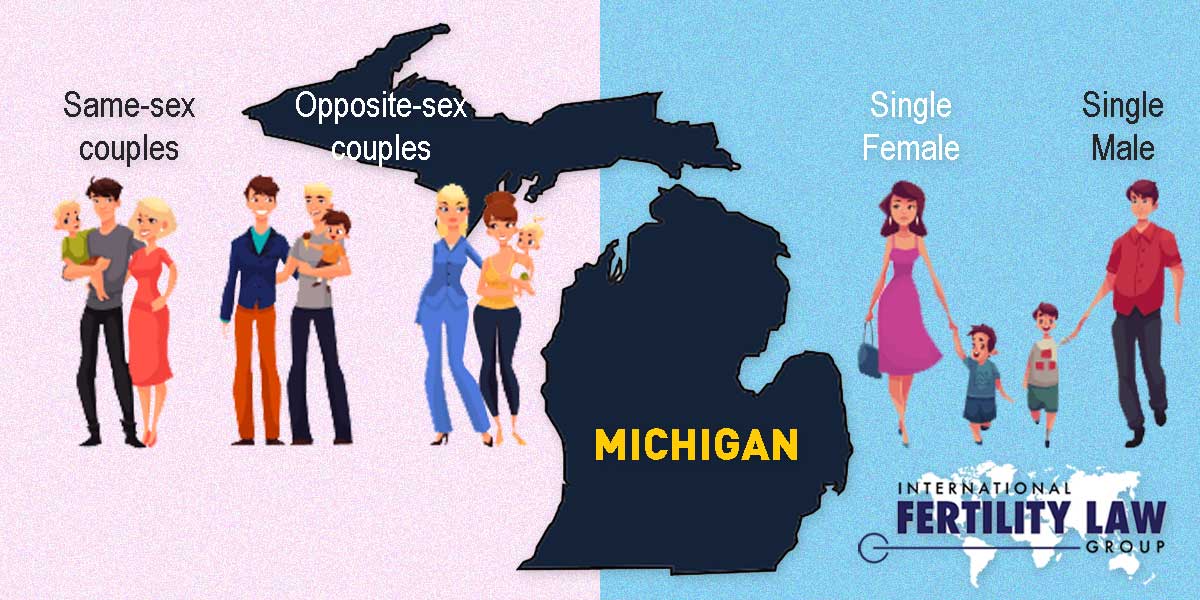
Michigan couple Tammy and Jordan Myers, biological parents of twins born via surrogacy January 11, must adopt their own babies in order to become their legal parents. That’s because little…
DNA testing, ancestry websites and new laws mean sperm donor anonymity is no longer guaranteed. IFLG explains changes in sperm donation law.
The New York state legislature passed today a landmark bill that will end New York’s three-decade ban on compensated surrogacy, establishing a surrogate bill of rights and streamlining the parental…
As sometimes happens, I had one of those days recently during which events seemed to highlight for me some of the most critical issues in the field of assisted reproductive…
If you have not requested an expedited birth certificate, it may take several weeks before your child’s birth certificate is available. Generally a written or online request is required for you to receive your child’s birth certificate, along with confirmation that you are an “authorized” person. You can order the certificate via an online service such as vitalchek.com or directly from the County Clerk or Recorder in the county where your baby was born. We strongly suggest you purchase multiple copies of your child’s birth certificate—particularly if you do not reside in the US or will need to request an amended birth certificate in future. The office will charge a per-copy fee.
Once the birth certificate worksheet is completed, the hospital birth clerk will send it to the vital records office in the county in which your child was born.
In the case of an expedited birth certificate request, ask the hospital birth clerk for the address of the local vital records office, where you will pick up the birth certificate in person. Call before you go to confirm the birth certificate is ready and available for you to pick up.
If you need an expedited birth certificate, as you might if you plan to take your baby home to another country, ask the hospital birth clerk to expedite the birth certificate request at this time. In most cases, you will receive the expedited birth certificate within a few days.
Following your baby’s birth, the hospital birth clerk will complete a birth certificate and birth registration worksheet.
Some states require that the birth registration documents include some information about the surrogate for public health and statistical purposes only, but such information will appear only on the confidential portion of the birth registration; however, the official birth certificate will not contain this information.
If your baby is born in a “pre-birth state,” where pre-birth orders of parentage are permitted for babies born via surrogacy, the birth clerk will use information from the pre-birth parentage judgment we obtain on your behalf. The parentage judgment will direct the registrar to allow you to name the child, as well as list you as the parent(s).
In states where pre-birth parentage orders are not allowed, the process is essentially the same except the birth clerk will eventually use information from the post-birth order we obtain on your behalf. In some instances, the birth clerk will need to send the birth registration to vital records before the post-birth order is obtained; and in these situations, the state’s Vital Records will enter the correct birth registration to show you as the legal parent(s).