The Criminalization of Surrogacy in Italy
Italy has made it illegal for couples to go abroad to have a baby through surrogacy. It’s a move critics say would criminalize parenthood for some couples — in particular gay men.
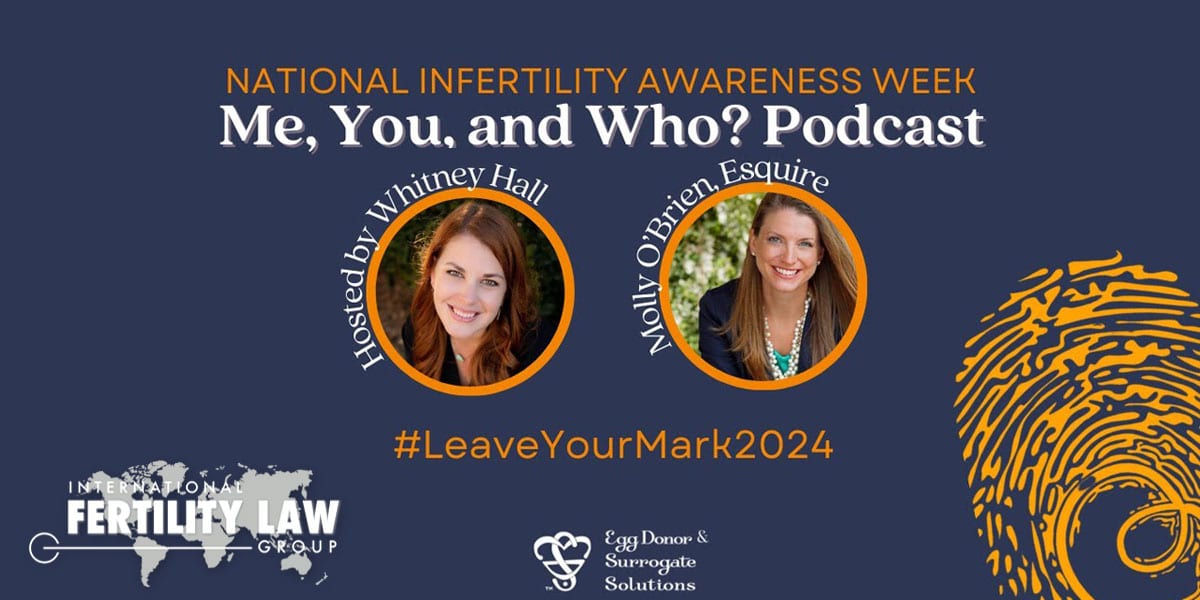
Molly O'Brien, an attorney specializing in art law, shares her journey into the field of surrogacy and egg donation and becoming a passionate advocate for the rights of parents, surrogates, and donors alike. Molly discusses the importance of ethical practices in the surrogacy and egg donation industry and highlights the work of SEEDS (Society of Ethics in Egg Donation and Surrogacy) in setting standards for agencies and industry professionals.
IFLG's Molly O'Brien explains to IVF Daddies the importance of having a lawyer in the IVF process and how they provide independent guidance to intended parents. The conversation then delves into the egg donation process, including choosing a donor, screening, and the legal contract.
Attorney Molly O’Brien, Partner at International Fertility Law Group and President of @seedsethics , offers crucial insights into Alabama’s recent embryo wrongful death lawsuit decision. With over two decades of experience in surrogacy and egg donation, Molly advocates passionately ♥️ for reproductive freedoms and medical autonomy.
Listen to IFLG partner and current SEEDS President, Molly O'Brien, Esq. discuss surrogacy with Carey Flamer-Powell, Founder and Director of Surrogacy Mentor and Modern Parent Mentor.
Pope Francis recently made an absolute statement advocating for the complete prohibition of surrogacy, a position that reflects the traditional stance of the Roman Catholic Church on assisted reproductive technologies. While we respect everyone’s right to their own religious beliefs, it is equally important to consider that individuals who do not subscribe to those particular teachings should not be compelled to follow them.
If you have not requested an expedited birth certificate, it may take several weeks before your child’s birth certificate is available. Generally a written or online request is required for you to receive your child’s birth certificate, along with confirmation that you are an “authorized” person. You can order the certificate via an online service such as vitalchek.com or directly from the County Clerk or Recorder in the county where your baby was born. We strongly suggest you purchase multiple copies of your child’s birth certificate—particularly if you do not reside in the US or will need to request an amended birth certificate in future. The office will charge a per-copy fee.
Once the birth certificate worksheet is completed, the hospital birth clerk will send it to the vital records office in the county in which your child was born.
In the case of an expedited birth certificate request, ask the hospital birth clerk for the address of the local vital records office, where you will pick up the birth certificate in person. Call before you go to confirm the birth certificate is ready and available for you to pick up.
If you need an expedited birth certificate, as you might if you plan to take your baby home to another country, ask the hospital birth clerk to expedite the birth certificate request at this time. In most cases, you will receive the expedited birth certificate within a few days.
Following your baby’s birth, the hospital birth clerk will complete a birth certificate and birth registration worksheet.
Some states require that the birth registration documents include some information about the surrogate for public health and statistical purposes only, but such information will appear only on the confidential portion of the birth registration; however, the official birth certificate will not contain this information.
If your baby is born in a “pre-birth state,” where pre-birth orders of parentage are permitted for babies born via surrogacy, the birth clerk will use information from the pre-birth parentage judgment we obtain on your behalf. The parentage judgment will direct the registrar to allow you to name the child, as well as list you as the parent(s).
In states where pre-birth parentage orders are not allowed, the process is essentially the same except the birth clerk will eventually use information from the post-birth order we obtain on your behalf. In some instances, the birth clerk will need to send the birth registration to vital records before the post-birth order is obtained; and in these situations, the state’s Vital Records will enter the correct birth registration to show you as the legal parent(s).