
Eggs Not A COVID-19 Infection Risk in Assisted Reproduction
Eggs, or oocytes, from women who contract COVID-19 are unlikely to become infected with the virus or to infect resulting embryos, according to a recent scientific study. Published in Human…
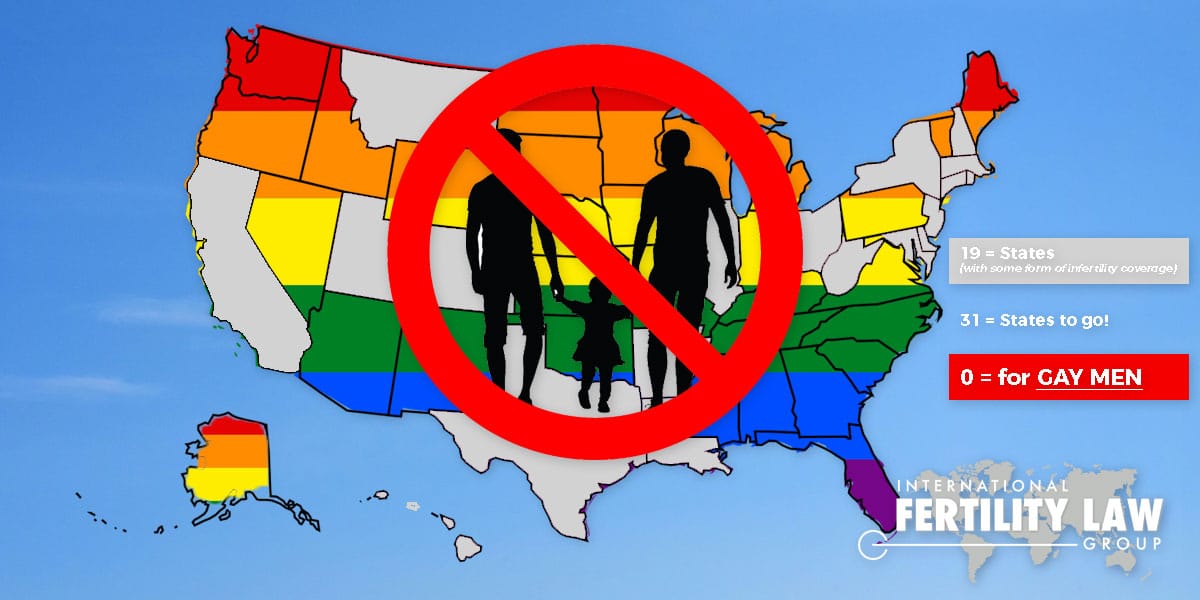
Nineteen U.S. states have enacted laws that require insurance companies to offer coverage for in vitro fertilization and other types of fertility treatments—a ray of hope for individuals for whom…
Barrett confirmation to Supreme Court poses a threat to in vitro fertilization (IVF). IFLG calls on Senators to protect reproductive rights. While advocates for reproductive freedom brace for an assault on abortion rights with the potential confirmation of Amy Coney Barrett to the U.S. Supreme Court, fertility professionals fear that access to common infertility treatment such as in vitro fertilization, or IVF, might also be in jeopardy.
U.S. fertility specialists and reproductive advocates are celebrating the June birth of the first healthy baby delivered in the United States following a successful uterine transplant from a deceased donor.…
For this season of hope, here’s a story of hope. As reported by the BBC, a 24-year-old woman, who was rendered infertile after chemotherapy for a life-threatening childhood blood disease,…
It’s common knowledge that the world’s rainforests contain untold millions of plants and animals that may hold miraculous cures for innumerable human ailments. A study by a group of UC Santa…
Britain’s Parliament voted this week to allow strictly limited use of a new fertility treatment that would allow women with a certain type of genetic disorder to become mothers without…
Even as technological advances make creating a family via assisted reproductive technology easier and safer with more reliable result, it remains inaccessible to many people for one simple reason: money.…
Thomas made the decision to use her highly visible Today Show podium as a way to get the topic out in the open and potentially make others undergoing fertility treatment feel more comfortable and less alone in the process.
Despite the fact that more women are putting off marriage and childbirth until later in life, U.S. fertility rates haven’t changed significantly over the past 20 years
If you have not requested an expedited birth certificate, it may take several weeks before your child’s birth certificate is available. Generally a written or online request is required for you to receive your child’s birth certificate, along with confirmation that you are an “authorized” person. You can order the certificate via an online service such as vitalchek.com or directly from the County Clerk or Recorder in the county where your baby was born. We strongly suggest you purchase multiple copies of your child’s birth certificate—particularly if you do not reside in the US or will need to request an amended birth certificate in future. The office will charge a per-copy fee.
Once the birth certificate worksheet is completed, the hospital birth clerk will send it to the vital records office in the county in which your child was born.
In the case of an expedited birth certificate request, ask the hospital birth clerk for the address of the local vital records office, where you will pick up the birth certificate in person. Call before you go to confirm the birth certificate is ready and available for you to pick up.
If you need an expedited birth certificate, as you might if you plan to take your baby home to another country, ask the hospital birth clerk to expedite the birth certificate request at this time. In most cases, you will receive the expedited birth certificate within a few days.
Following your baby’s birth, the hospital birth clerk will complete a birth certificate and birth registration worksheet.
Some states require that the birth registration documents include some information about the surrogate for public health and statistical purposes only, but such information will appear only on the confidential portion of the birth registration; however, the official birth certificate will not contain this information.
If your baby is born in a “pre-birth state,” where pre-birth orders of parentage are permitted for babies born via surrogacy, the birth clerk will use information from the pre-birth parentage judgment we obtain on your behalf. The parentage judgment will direct the registrar to allow you to name the child, as well as list you as the parent(s).
In states where pre-birth parentage orders are not allowed, the process is essentially the same except the birth clerk will eventually use information from the post-birth order we obtain on your behalf. In some instances, the birth clerk will need to send the birth registration to vital records before the post-birth order is obtained; and in these situations, the state’s Vital Records will enter the correct birth registration to show you as the legal parent(s).