
New Tennessee Fertility Insurance Bill is Pro-Family
Tennessee is on track to pass a law requiring insurers to cover treatment for infertility, joining 19 other U.S. states that mandate coverage for either fertility treatment such as IVF…
The new Child Parent Security Act (CPSA) took effect on Monday, February 15, 2021, legalizing compensated surrogacy in the state of New York, with robust protections for surrogates and intended…
Congratulations, New York! Today, February 15, 2021, the Child Parent Security Act (CPSA) takes effect, ending the three-decade-long ban on surrogacy in the state of New York. In this informative…
COVID-19 lockdowns and infection fears have led to drastic shortages at many U.S. sperm banks, sending many lesbians and single women to online forums in a search for sperm donors.…
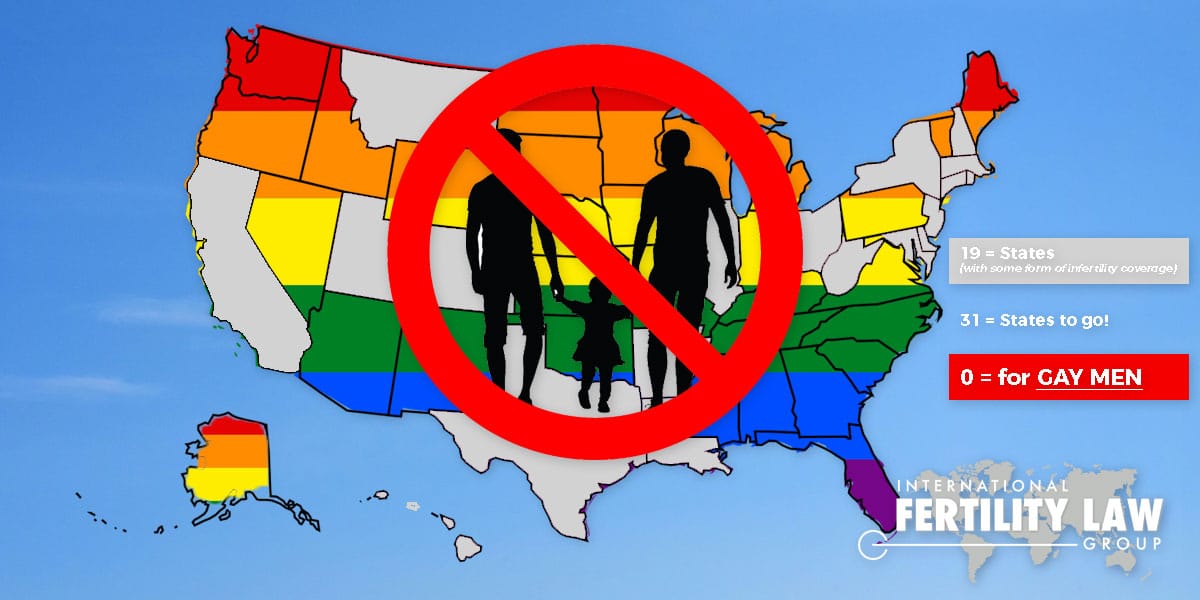
Nineteen U.S. states have enacted laws that require insurance companies to offer coverage for in vitro fertilization and other types of fertility treatments—a ray of hope for individuals for whom…
As the coronavirus covid-19 crisis wears on, the dilemma of intended parents from other countries planning to have babies through surrogacy in the United States has made for compelling headlines:…
Yesterday I participated in the second weekly national webinar for surrogacy professionals, convened by the American Bar Association and SEEDS (Society for Ethics in Egg Donation and Surrogacy). The webinars have been a great forum for fertility lawyers, reproductive healthcare providers, surrogacy and donor agencies and non-profit advocacy organizations from all over the U.S. to share information about current conditions and issues of concern to our clients and stakeholders.
The New York state legislature passed today a landmark bill that will end New York’s three-decade ban on compensated surrogacy, establishing a surrogate bill of rights and streamlining the parental…
Yesterday I participated in the second weekly national webinar for surrogacy professionals, convened by the American Bar Association and SEEDS (Society for Ethics in Egg Donation and Surrogacy). The webinars have been a great forum for fertility lawyers, reproductive healthcare providers, surrogacy and donor agencies and non-profit advocacy organizations from all over the U.S. to share information about current conditions and issues of concern to our clients and stakeholders.
As the coronavirus COVID-19 pandemic continues to disrupt the daily lives of millions, pregnant women are facing the prospect of delivering without the comfort of spouses, partners or doulas at…
In the midst of the coronavirus COVID-19 pandemic, reproductive healthcare professionals are advised to avoid initiating non-urgent new fertility treatment, under new guidelines just issued by the American Society for…
I was honored to participate recently in a national surrogacy professionals COVID-19 webinar designed to share information and best practices to help surrogates and intended parents plan and cop during the crisis.
As the states of California and New York impose stringent shutdowns and concerns about travel restrictions and postponed procedures rise, intended parents and surrogates are also asking about potential health risks to pregnant surrogates and babies during the coronavirus disease COVID-19 pandemic.
Under a new law effective January 1, about half of insured New Yorkers—some 2.5 million people—now have access to insurance coverage for in vitro fertilization, or IVF, for treatment of…
As sometimes happens, I had one of those days recently during which events seemed to highlight for me some of the most critical issues in the field of assisted reproductive…
Governor Andrew Cuomo is standing by his commitment to eliminate the three-decade ban on commercial, or compensated, surrogacy in New York, one of two states in the nation that currently…
I was excited and honored to have the opportunity to speak on U.S. surrogacy laws at two Growing Family conferences on February 8 in Sydney and on February 9 in…
Pennsylvania researchers celebrated recently the birth of a healthy baby boy to a woman who received a uterus transplant from a deceased donor—only the second successful procedure and birth of…
In advance of his January 8 state-of-the-state address, Governor Andrew Cuomo has promised to renew his efforts to end New York’s statewide surrogacy ban in 2020 and to provide the…
“This appeal comes to us unopposed,” reads the first sentence of the Utah State Supreme Court’s August 1 decision striking down a statute that denied same-sex married couples equal rights…
Even as it approaches the finish line, legislation to finally end New York state’s ban on gestational surrogacy is facing vocal opposition from an unexpected source: the feminist left. We…
The state of New York on April 1 passed a measure requiring insurance policies covering employee groups of 100 or larger to include coverage of in vitro fertilization, becoming the…
If you have not requested an expedited birth certificate, it may take several weeks before your child’s birth certificate is available. Generally a written or online request is required for you to receive your child’s birth certificate, along with confirmation that you are an “authorized” person. You can order the certificate via an online service such as vitalchek.com or directly from the County Clerk or Recorder in the county where your baby was born. We strongly suggest you purchase multiple copies of your child’s birth certificate—particularly if you do not reside in the US or will need to request an amended birth certificate in future. The office will charge a per-copy fee.
Once the birth certificate worksheet is completed, the hospital birth clerk will send it to the vital records office in the county in which your child was born.
In the case of an expedited birth certificate request, ask the hospital birth clerk for the address of the local vital records office, where you will pick up the birth certificate in person. Call before you go to confirm the birth certificate is ready and available for you to pick up.
If you need an expedited birth certificate, as you might if you plan to take your baby home to another country, ask the hospital birth clerk to expedite the birth certificate request at this time. In most cases, you will receive the expedited birth certificate within a few days.
Following your baby’s birth, the hospital birth clerk will complete a birth certificate and birth registration worksheet.
Some states require that the birth registration documents include some information about the surrogate for public health and statistical purposes only, but such information will appear only on the confidential portion of the birth registration; however, the official birth certificate will not contain this information.
If your baby is born in a “pre-birth state,” where pre-birth orders of parentage are permitted for babies born via surrogacy, the birth clerk will use information from the pre-birth parentage judgment we obtain on your behalf. The parentage judgment will direct the registrar to allow you to name the child, as well as list you as the parent(s).
In states where pre-birth parentage orders are not allowed, the process is essentially the same except the birth clerk will eventually use information from the post-birth order we obtain on your behalf. In some instances, the birth clerk will need to send the birth registration to vital records before the post-birth order is obtained; and in these situations, the state’s Vital Records will enter the correct birth registration to show you as the legal parent(s).