
New Arizona Law Criminalizes Abortion Due to Genetic Fetal Abnormality
Arizona has passed a broad-based law that makes it a felony for a physician to perform an abortion because of a fetal genetic abnormality or for anyone to fund an…
Congratulations to NBC co-chief White House correspondent Kristen Welker and her husband, marketing executive John Hughes, who announced recently on NBC’s Today Show that they are expecting a baby daughter…
Colorado is poised to sign into law the state’s first comprehensive surrogacy statute, establishing requirements for legally enforceable surrogacy. Surrogacy law in the United States varies widely from state-to-state, from…
The recent pandemic-related surge in in vitro fertilization will inevitably contribute to a growing number of legal disputes over the disposition of unused embryos. The best way to avoid what…
Join me, Australian fertility attorney Stephen Page and Dr. Said Daneshmand of San Diego Fertility Center as we discuss 'Surrogacy in the US for Australians.' Despite the implementation of numerous…
Join me and Anna Buxton, international surrogacy coordinator for MySurrogacyJourney.com, an online resource and support organization, for an Instagram video on surrogacy in the U.S. for U.K. intended parents. As…
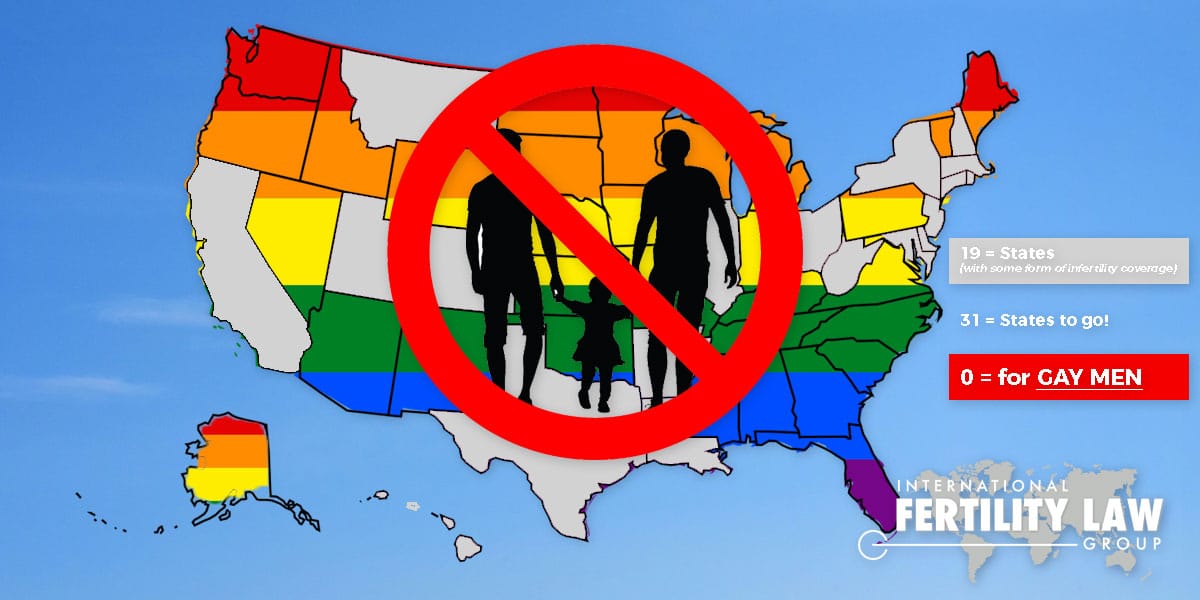
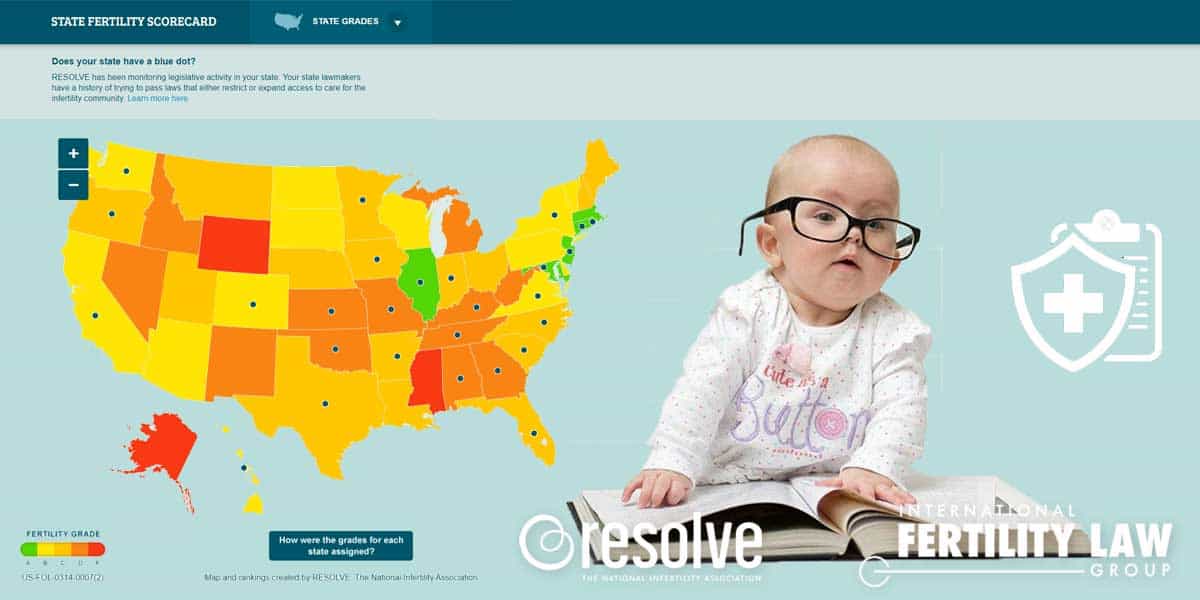
Tennessee is on track to pass a law requiring insurers to cover treatment for infertility, joining 19 other U.S. states that mandate coverage for either fertility treatment such as IVF…
I was honored to join Rebecca Hochreiter of GoStork.com, an online resource for intended parents, for an Instagram Live discussion on “How Surrogacy Law Impacts Your Journey.” Rebecca is a…
New, highly restrictive abortion laws in Arkansas and South Carolina are only the latest among dozens of anti-choice bills aimed by conservative state lawmakers at testing the limits of Roe…
On the roller coaster ride that is the good news/bad news of the COVID-19 pandemic on any given day, this high point came in the news today: The birth of…
All too often, Black women who seek treatment for infertility and Black intended parents who seek to create families via assisted reproductive technology (ART) encounter an unexpected barrier to access:…
Many would-be mothers faced with COVID-19-related sperm bank closures and donor shortages turned to social media and donor websites. Among the risks of online matching is the danger of unknowingly…
On February 2, 2021, just a little over a year after it initially approved a law to legalize in vitro fertilization for lesbians and single women, the French Senate voted…
The new Child Parent Security Act (CPSA) took effect on Monday, February 15, 2021, legalizing compensated surrogacy in the state of New York, with robust protections for surrogates and intended…
Congratulations, New York! Today, February 15, 2021, the Child Parent Security Act (CPSA) takes effect, ending the three-decade-long ban on surrogacy in the state of New York. In this informative…
The onset of the COVID-19 pandemic in spring 2020 created havoc in the field of assisted reproductive technology (ART), shuttering clinics, interrupting scheduled IVF procedures and stranding intended parents and…
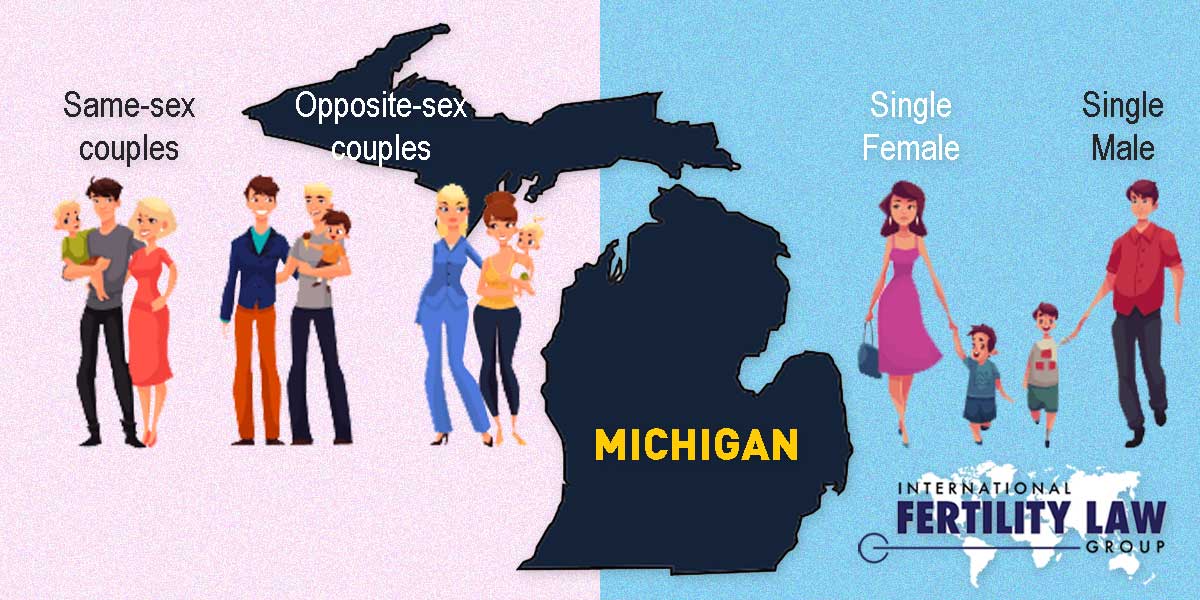
Michigan couple Tammy and Jordan Myers, biological parents of twins born via surrogacy January 11, must adopt their own babies in order to become their legal parents. That’s because little…
Exciting new tools are using artificial intelligence (AI) to improve success rates for assisted reproduction technologies (ART) such as in vitro fertilization (IVF) and surrogacy, resulting in fewer procedures, lower…
COVID-19 lockdowns and infection fears have led to drastic shortages at many U.S. sperm banks, sending many lesbians and single women to online forums in a search for sperm donors.…
Eggs, or oocytes, from women who contract COVID-19 are unlikely to become infected with the virus or to infect resulting embryos, according to a recent scientific study. Published in Human…
Join Rich Vaughn of International Fertility Law Group, Dr. Said Daneshmand of the San Diego Fertility Center and Darlene Pinkerton of A Perfect Match surrogacy agency for a discussion on…
In this pandemic season of uncertainty and fear, images from around the world of the first health care workers and elderly people being vaccinated has brought hope to many hearts…
Nineteen U.S. states have enacted laws that require insurance companies to offer coverage for in vitro fertilization and other types of fertility treatments—a ray of hope for individuals for whom…
Just in time for a hopeful New Year, the airwaves are full of the story of the beautiful baby girl born in October from an embryo created and frozen a…
The path to parenthood just got a little smoother for U.K. intended parents planning surrogacy in the United States: The U.K. agency regulating assisted reproduction has agreed to overturn a…
It’s hard to believe it has been eight months since the first time we wrote about the impact of the COVID-19 pandemic on international intended parents planning surrogacy in the…
San Diego Fertility Center's Richard Westoby talks to IFLG's Rich Vaughn about updates in the process of traveling into the US from Europe during the time of COVID-19 pandemic. Planning…
As growing numbers of babies born through the use of sperm and egg donation reach adulthood, a “donor conceived” movement, advocating for the right of donor-conceived people to know about…
DNA testing, ancestry websites and new laws mean sperm donor anonymity is no longer guaranteed. IFLG explains changes in sperm donation law.
Fertility lawyer Rich Vaughn of International Fertility Law Group discusses the legal objectives and arrangements involved with establishing Parental Rights when utilizing assisted reproductive technology as an option towards the dream of becoming parents. Contact IFLG to learn about how we help parents via IVF establish Parental Rights.
Barrett confirmation to Supreme Court poses a threat to in vitro fertilization (IVF). IFLG calls on Senators to protect reproductive rights. While advocates for reproductive freedom brace for an assault on abortion rights with the potential confirmation of Amy Coney Barrett to the U.S. Supreme Court, fertility professionals fear that access to common infertility treatment such as in vitro fertilization, or IVF, might also be in jeopardy.
As the U.S. Supreme Court reconvened last week for the first time since the death of Justice Ruth Bader Ginsberg, conservative U.S. Supreme Court Justices Clarence Thomas and Samuel A.…
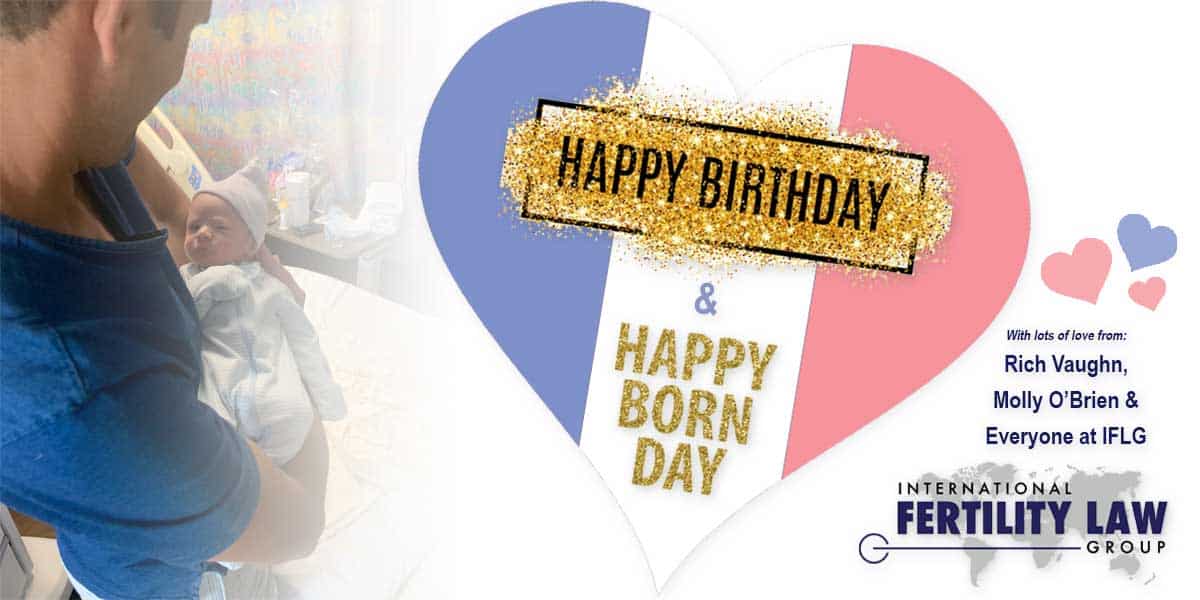
During this time of near-constant bad news, we at International Fertility Law Group are excited and grateful to have a wonderful story to share, with the permission of our client to do so. Our client recently became the proud father of a baby boy by in-vitro fertilization (IVF) and surrogacy. On August 13, 2020, this special baby was born on his dad’s birthday—the most incredible birthday gift any father could receive! But there’s more!
IFLG founder Rich Vaughn lays out the surrogacy vs. adoption pros and cons for family building. Contact IFLG today to get help from an experienced fertility lawyer.
After years of working in the fertility field, first as an agency employee and later as an assisted reproductive technology (ART) fertility lawyer, the first piece of advice I would…
Watch Rich Vaughn of International Fertility Law Group as he discusses the legal musts and must-nots during his participation in this informative webinar led by leading fertility specialist and advocate for LGBTQ families, Dr. John Norian, in which he discusses 'fatherhood for gay men through surrogacy'.
Even as in vitro fertilization and other types of assisted reproductive technology become increasingly effective and reliable, surrogates, egg donors and intended parents should be informed of potential IVF side…
New York was until recently one of a handful of U.S. states that effectively banned surrogacy entirely. As a result, many New Yorkers who suffered from infertility or who were…
For any intended parents beginning the journey to creating a family via surrogacy, one of the first steps should be to consult with an experienced surrogacy attorney. As a founding…
A “pre-birth order” in surrogacy law is used to establish the legal parentage of a child born via surrogacy and is preferred by many intended parents. However, several U.S. states…
Laws governing surrogacy vary widely from state to state in the U.S. Some states have enacted laws rendering surrogacy contracts unenforceable in whole or in part, and a few states…
Growing access to infertility insurance coverage can make assisted reproductive technology affordable for intended parents. International Fertility Law Group explains this issue in detail.
For intended parents building a family via IVF and surrogacy, finding the right gestational surrogate is essential. Let IFLG answer all your surrogacy law questions.
While donated eggs are used in tens of thousands of assisted reproduction cycles each year in the United States—24,300 cycles in 2016, according to the U.S. Centers for Disease Control…
Human birth rates have been dropping for decades, over approximately the same period that assisted reproductive technology (ART) has become increasingly efficient, reliable and accessible as a family-building solution. According…
For many individuals who consider parenthood via in-vitro fertilization and surrogacy, the most gut-wrenching questions about the process are these: What if the surrogate changes her mind? Can a surrogate choose to…
Join Molly O'Brien of International Fertility Law Group and surrogacy professionals from around the world for a recent Growing Families Webinar broadcast in August 2020, discussing international surrogacy options in…
Join Rich Vaughn of International Fertility Law Group and surrogacy professionals from all over the U.S. for the latest in a series of webinar discussions about the impacts and challenges…
A federal court has ruled, once again, that the child of a legally married gay couple, born via surrogacy abroad, is a U.S. citizen and has been since her 2019 birth—refuting the Trump administration’s continuing policy of defining her and other similar surrogate births to LGBTQ parents as “out of wedlock.”
Yesterday I participated in the second weekly national webinar for surrogacy professionals, convened by the American Bar Association and SEEDS (Society for Ethics in Egg Donation and Surrogacy). The webinars have been a great forum for fertility lawyers, reproductive healthcare providers, surrogacy and donor agencies and non-profit advocacy organizations from all over the U.S. to share information about current conditions and issues of concern to our clients and stakeholders.
If you have not requested an expedited birth certificate, it may take several weeks before your child’s birth certificate is available. Generally a written or online request is required for you to receive your child’s birth certificate, along with confirmation that you are an “authorized” person. You can order the certificate via an online service such as vitalchek.com or directly from the County Clerk or Recorder in the county where your baby was born. We strongly suggest you purchase multiple copies of your child’s birth certificate—particularly if you do not reside in the US or will need to request an amended birth certificate in future. The office will charge a per-copy fee.
Once the birth certificate worksheet is completed, the hospital birth clerk will send it to the vital records office in the county in which your child was born.
In the case of an expedited birth certificate request, ask the hospital birth clerk for the address of the local vital records office, where you will pick up the birth certificate in person. Call before you go to confirm the birth certificate is ready and available for you to pick up.
If you need an expedited birth certificate, as you might if you plan to take your baby home to another country, ask the hospital birth clerk to expedite the birth certificate request at this time. In most cases, you will receive the expedited birth certificate within a few days.
Following your baby’s birth, the hospital birth clerk will complete a birth certificate and birth registration worksheet.
Some states require that the birth registration documents include some information about the surrogate for public health and statistical purposes only, but such information will appear only on the confidential portion of the birth registration; however, the official birth certificate will not contain this information.
If your baby is born in a “pre-birth state,” where pre-birth orders of parentage are permitted for babies born via surrogacy, the birth clerk will use information from the pre-birth parentage judgment we obtain on your behalf. The parentage judgment will direct the registrar to allow you to name the child, as well as list you as the parent(s).
In states where pre-birth parentage orders are not allowed, the process is essentially the same except the birth clerk will eventually use information from the post-birth order we obtain on your behalf. In some instances, the birth clerk will need to send the birth registration to vital records before the post-birth order is obtained; and in these situations, the state’s Vital Records will enter the correct birth registration to show you as the legal parent(s).